
Working with live edge slabs can be challenging, especially when the wood is too large for a standard planer. Many beautiful slabs used for dining tables, desks, and epoxy projects are wider, heavier, or more irregular than typical woodworking machines can handle.
The good news is you do not always need a large industrial planer. A router sled for flattening slabs offers a practical solution for leveling uneven wood surfaces and preparing slabs for sanding and finishing.
In this guide, we will explain how to flatten a live edge slab without a large planer, what tools you need, and how to get better results on your woodworking projects.
Live edge slabs often come directly from the sawmill with natural variations.
You may find:
These natural features make live edge wood attractive, but they can create problems when building furniture.
A dining table top, for example, needs a reasonably flat surface before sanding and applying finish. Even small height differences can affect the final appearance and usability.
Yes. Many woodworkers flatten large slabs without using a traditional planer.
A large planer works well for standard boards, but it has limitations:
For oversized slabs, a router sled is often a better option.
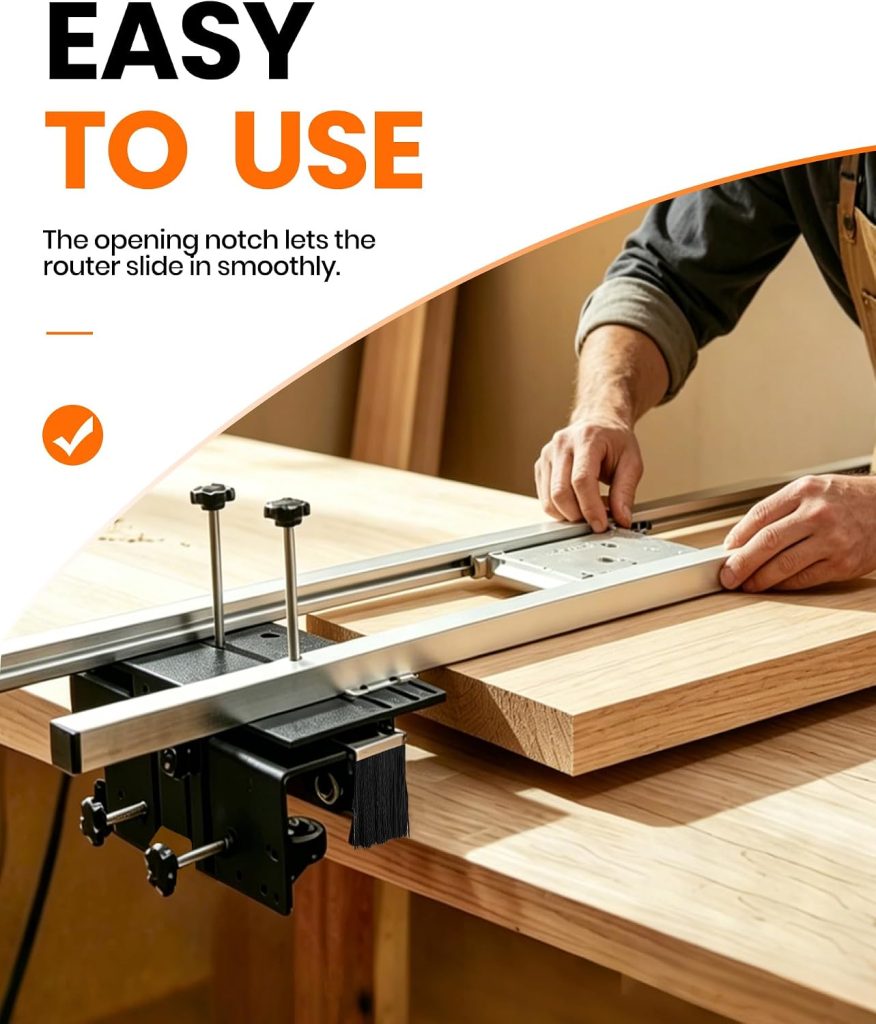
A router sled allows you to move a router across the entire surface using guide rails. The system removes small amounts of material gradually until the slab reaches a flat and even surface.
Before starting, prepare the right tools.
A powerful router provides enough cutting ability for large wood surfaces.
A plunge router with adjustable speed control works well for slab flattening projects.
A wide surfacing bit helps remove material efficiently.
Common choices include:
A wider bit covers more area and reduces the number of passes.
A router sled creates a stable path for the router. As part of a complete workshop setup, choosing the right woodworking equipment can improve accuracy, efficiency, and overall project results.
A good router sled should provide:
For large slabs, a stable setup makes a significant difference in the final result.
Your slab must sit securely before flattening.
Many woodworkers use:
The goal is to support the slab without allowing movement.
Start by checking the slab carefully.
Look for:
Remove loose material before flattening.
If the slab moves during cutting, the router cannot create an accurate surface.
Place the slab between the router sled rails.
Make sure:
Take your time during setup. A stable setup saves time later.
Avoid removing too much material at once.
Make shallow passes and slowly lower the router bit.
Light passes help:
Large cuts may seem faster, but they usually create more cleanup work.
Run the router sled across the slab in overlapping passes.
Continue until:
Keep the router moving steadily. Staying in one area too long can create uneven spots.
After flattening, the surface will still need sanding.
A typical process includes:
Once complete, the slab is ready for stain, oil, epoxy, or other finishes.
Both tools have their place.
| Tool | Best For | Limitations |
|---|---|---|
| Large Planer | Standard lumber and production work | Limited by opening size |
| Router Sled | Large slabs and custom furniture | Requires setup time |
For professional furniture makers and DIY woodworkers working with unique slabs, a router sled provides more flexibility.
Taking deep cuts can damage the surface and increase sanding time.
Small passes usually create better results.
If the rails are not level, the final slab surface will not be flat.
Always check your setup before cutting.
A loose sled can create uneven cuts.
Choose a sturdy system that keeps the router carriage stable during operation.
For anyone working with live edge slabs, a router sled can be a valuable addition to a workshop. A well-organized workspace also depends on reliable storage and support solutions, such as heavy-duty workbench brackets for building custom workstations.
It allows you to handle:
Instead of investing in a very large planer, many woodworkers choose a router sled because it provides flexibility without requiring industrial equipment.
EONECROSS offers heavy-duty router sled kits for flattening slabs, designed for woodworking projects that require stable movement and consistent results.
Flattening a live edge slab does not require a huge planer or expensive industrial equipment.
With the right router, flattening bit, and a stable router sled for flattening slabs, you can prepare large wood surfaces for furniture projects in your own workshop.
The most important part is taking time with setup. A level work area and controlled cutting process will always produce better results.
A: A router sled is one of the easiest methods for flattening large live edge slabs when a planer is not available.
A: Yes, but a router sled provides better control and helps maintain a consistent surface.
A: Most woodworkers remove small amounts per pass. Multiple shallow passes usually create the best finish.
A: No. Many live edge table builders use router sleds instead of large planers because slabs are often wider than standard machines can handle.